Archive Rescue
Dealing with Moldy Film: Saving Your Precious Memories
When retrieving old family films from a basement or attic in Innsbruck, you might encounter a distressing phenomenon: white, cotton-like deposits or tiny colored spots on the film strip. Mold is one of the most dangerous enemies of analog media, as it not only destroys the visual material but can also infect other healthy films within your archive. In this guide, we explain how to recognize mold, why storage in the Alpine regions is often problematic, and the professional steps required to rescue your 8mm and Super 8 recordings.
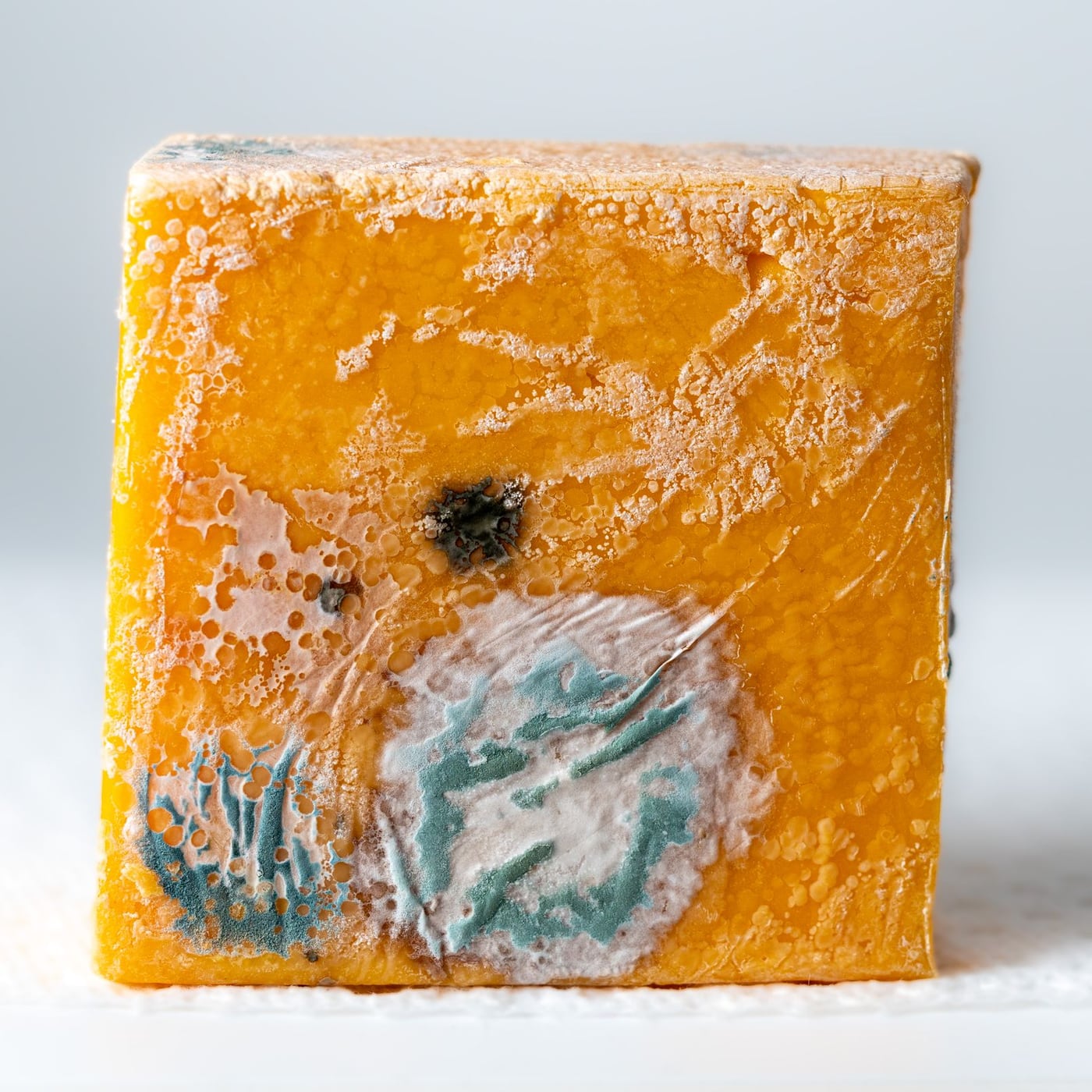
What Exactly is Film Mold?
Mold on cellulose networks usually arises from a combination of high humidity and organic residues on the film surface. In Tyrol, where humidity in older buildings or cellars often fluctuates, this is a common issue. The fungus feeds on the gelatin emulsion in which the silver halides are embedded. The result is a physical degradation of the image layer, leading to permanent holes, discoloration, or the complete destruction of the image.
Particularly insidious is the fact that mold spores float in the air. When a moldy film is stored in a box with healthy films, it acts as a source of infection. Therefore, the immediate isolation of affected media is the first and most critical step in damage control.
The Symptoms: How to Identify Infestation
Not every white spot on a film is mold. Sometimes it is crystallization or simple dust deposits. Look for the following characteristics:
- Cotton-like structures: Small, fibrous growths that often begin at the perforation holes.
- Colored dots: Yellowish, greenish, or black spots that penetrate the image material.
- Odor: A typical musty or earthy smell that is immediately noticeable when the film canister is opened.
- Stickiness: In advanced stages, the film can become sticky, making it nearly impossible to unwind without the risk of tearing.
Why Home Remedies Are Dangerous
A common mistake is attempting to remove mold with alcohol-based cleaners, vinegar, or even water. We strongly warn against using these methods. The emulsion of an amateur film is extremely sensitive. Chemical home remedies can irreversibly bleach the color layers or dissolve the emulsion entirely. Furthermore, adding moisture often causes the mold to penetrate deeper into the layers or spread more rapidly.
Professional cleaning takes place in controlled environments using specialized solvents that neutralize the mold without attacking the chemical structure of the film. This is a precision process that should only be carried out by specialists to prevent the loss of your unique recordings.
The Professional Recovery Process
When you entrust your affected films to our Home Movie Digitization service, we follow a strict protocol to ensure the safety of your entire archive:
| Phase | Action | Goal |
|---|---|---|
| Isolation | Separate storage in sterile boxes | Prevention of cross-contamination |
| Analysis | Inspection of infestation level under a microscope | Determination of cleaning method |
| Cleaning | Mechanical and chemical mold removal | Safe unwinding of the film |
| Digitization | Scanning with high-resolution sensors | Securing visual material in digital form |
Checklist: Immediate Actions Upon Suspected Mold
If you notice that your films are affected, act quickly but carefully:
- Do not unwind: Do not attempt to force the film out of the canister. This can tear the weakened emulsion.
- Isolate: Place the affected canister in a separate plastic bag and seal it airtight.
- Cool, dry storage: Keep the films in a place with a stable temperature until they can be professionally treated.
- Check other media: Carefully inspect all other films and cassettes stored in the same location.
For further tips on preparing your media, read our guide How to Prepare Your Cassettes, as magnetic tapes are also susceptible to fungal growth.
Regional Specifics in Innsbruck and Tyrol
In Innsbruck, we find many archives in traditional Altstadt houses. These buildings often have thick walls that stay cool in summer but exhibit high relative humidity in the lower floors during winter. This creates an ideal climate for mold fungi. We recommend all clients in the region not to store their originals in cellars or directly against exterior walls.
Proper archiving requires a constant temperature and a humidity level of approximately 30-40%. Since this is difficult to achieve in private households, we offer comprehensive consultation on the long-term preservation of your media.
Conclusion: Is Recovery Still Possible?
In most cases, digitization is possible despite mold infestation. While some image areas may be permanently lost, professional cleaning allows us to save the majority of the recordings and transfer them into a modern, secure format. The earlier the intervention occurs, the higher the chance of a perfect result.
Do not wait until the mold destroys the entire reel. Contact us for an initial assessment of your archive.