Home Movie Digitization: Your Memories in 4K
Old home movies are precious time capsules, but the chemical base of 8mm and Super 8 recordings is perishable. We rescue your family chronicles from fading and transfer them with the highest precision into a contemporary digital format.
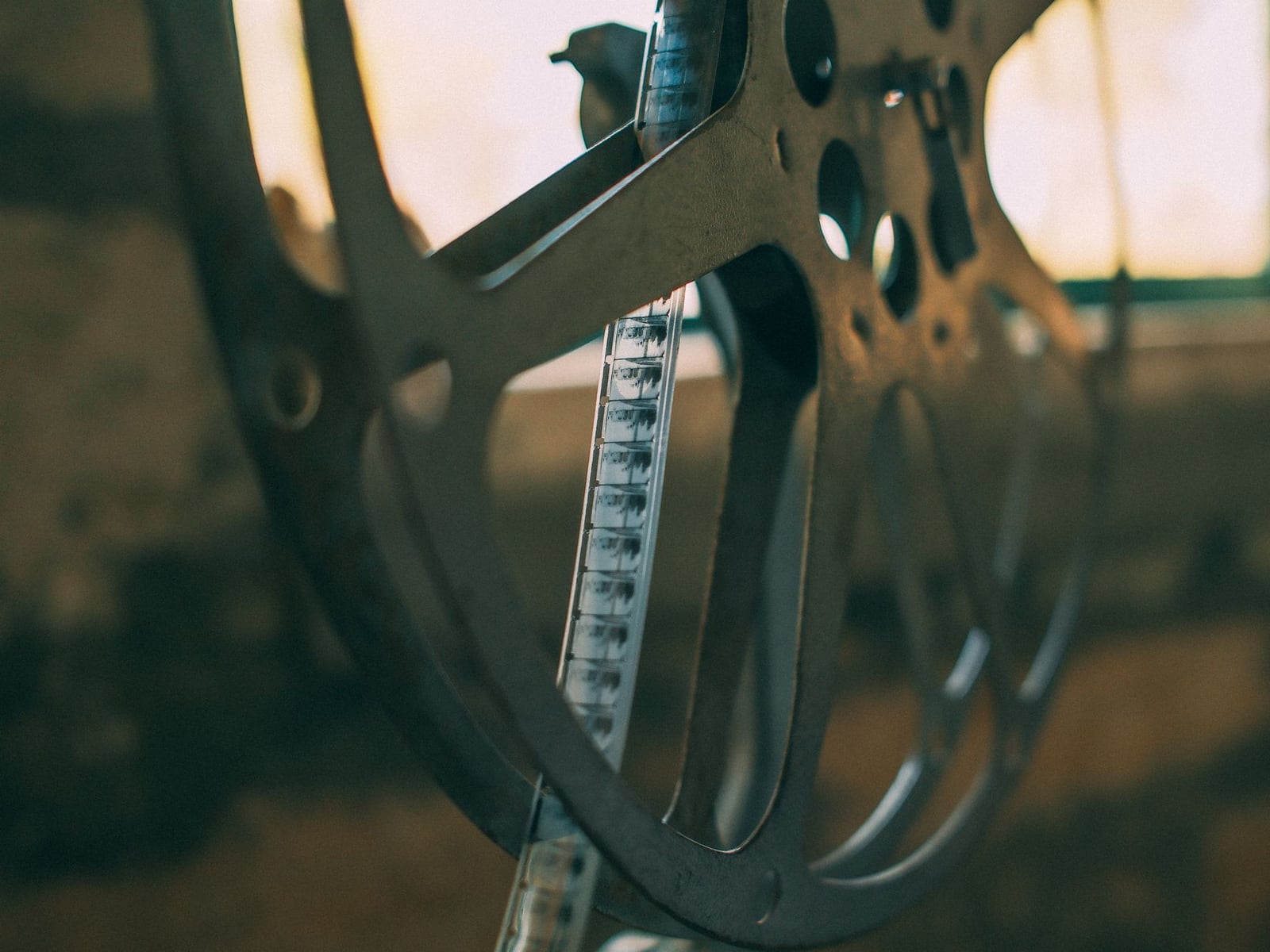
The digitization of amateur films differs fundamentally from the scanning of photographic negative strips. While photos are static, cinema production requires a continuous, smooth capture of every single frame, taking into account the original frame rate—usually 18 frames per second for amateur formats. In our studio in Innsbruck, we use specialized scanning hardware that guides the film gently to avoid mechanical stress and prevent image jumps, ensuring a fluid viewing experience.
Whether it is the first steps of a child from the 1960s or holiday recordings from the 70s, the challenge lies in the nature of the material. Celluloid can shrink, become brittle, or be attacked by vinegar syndrome, a chemical decay that releases a pungent smell and warps the film. Our expertise allows us to handle problematic media safely and extract the maximum amount of visual information from the original without endangering the historical material. We treat every reel as a unique piece of history.
The Film Rescue Process in 4 Steps
Material Inspection
Every film reel is manually checked for breaks, mold, or material embrittlement. We document the condition and, if necessary, carefully clean the film using specialized tools to remove dust and particles before scanning.
Precision Scan
The film passes through our frame-by-frame scanner. We capture the images in a resolution of up to 4K to preserve the full grain and depth of detail of the analog material without interpolation artifacts.
Digital Optimization
We correct brightness and contrast to restore the natural colors of the era. The frame rate is exactly synchronized to the standard of the cameras used at the time to create a seamless experience.
Finalization & Delivery
Files are rendered in a high-bitrate format and provided on your chosen medium or via a secure cloud link. The original reels are carefully packed and returned to you.
Target Group
Who is this service for?
Our service is primarily aimed at families who possess private archives in 8mm or Super 8 and wish to secure them for future generations. Often, these films are kept in basements or attics, where they are exposed to moisture and temperature fluctuations. The longer one waits, the greater the risk of irreversible chemical decay. Digitizing these memories ensures they can be shared and viewed on any modern device.
In addition to private individuals, we work with small local associations or museums in Tyrol that wish to digitize documentary amateur recordings from the Innsbruck region to make them accessible in exhibitions or online archives. We also provide the necessary technical foundation for film enthusiasts who need their old projects in modern quality for editing in professional software.
Workflow
How the cooperation works
The process begins with a detailed inventory of your materials. You can bring your film reels personally to our studio on Maria-Theresien-Straße or send them to us via insured mail. Upon arrival, we create a detailed list of all received reels, including an initial professional assessment of their physical condition.
Following acceptance, digital processing takes place. Because we value artisanal precision, every reel is treated individually and not processed through an automated mass-system. We communicate closely with you if we encounter critical sections during the scan that require special manual treatment. Once the digitization is complete, you will receive a notification and can decide how the data transfer should occur.
Preparation
What you should prepare for the order
To ensure efficient processing, we ask that you sort the films if possible. If you have a list of contents (e.g., "Italy Holiday 1968"), it helps us in naming the digital files accurately. Please use stable boxes for transport to prevent the reels from being crushed, as this can lead to permanent deformation of the film tape.
A particularly important point is the condition of the material. If you notice a pungent vinegar smell when opening the boxes or see white deposits on the film, please inform us in advance. In such cases, immediate isolation of the films is necessary to avoid contaminating other materials in the studio. Further information can be found in our guide on Dealing with Moldy Film.
Result
What you receive at the end
The goal of our work is a digital master suitable for both daily viewing on modern devices and long-term archiving. We deliver the films by default as MP4 files with a high bitrate, which can be played on almost any modern television, tablet, or computer without additional software.
Along with the video files, you receive a digital copy of the original recording list. The original films are returned to you in their original packaging. Upon request, we provide the data via a secured cloud link for a limited time, allowing you to share the recordings with family members immediately without sending physical media.
Timeline
Processing time and deadlines
The digitization of cinema films is a time-consuming process because every frame must be captured individually. The average duration for a standard order is approximately 10 days. Depending on the volume and condition of the material, this time may vary. We operate on the principle of quality over speed to ensure that no frame is lost and no mechanical errors occur.
In urgent cases, we offer express processing, which involves a surcharge of 50% on the base price. Please coordinate this deadline individually with us. The exact conditions for processing, deadlines, and the return of originals can be found in detail in our Terms.
Exclusions
What is not part of the service
Please note that our standard digitization includes the transfer of the analog image into a digital format. Elaborate artistic video editing, such as merging several reels into a finished documentary film with music, voice-overs, or titles, is not included in the base price. Such works are offered as a separate service under Image and Audio Restoration.
We assume no responsibility for the visual quality of originals that were already heavily damaged before delivery (e.g., due to extreme heat exposure, water damage, or advanced chemical decay). Similarly, we do not make copies of commercially purchased films or protected works of third parties.
Pricing
Costs of Home Movie Digitization
Calculation is performed transparently per running meter of film. This is the fairest method, as the length of reels in amateur recordings varies greatly. The price includes professional mechanical cleaning, high-resolution scanning, and the provision of the digital file.
| Format | Price incl. VAT | Price excl. VAT | Unit |
|---|---|---|---|
| 8mm / Super 8 | 2.80 € | 2.33 € | per meter |
All prices include the statutory VAT of 20%. For business customers (B2B), the invoice will be itemized accordingly without VAT, provided the requirements are met.
Detailed Scope of Service
- Careful mechanical cleaning of film perforations and the image surface to reduce dust
- Frame-by-frame scanning to completely prevent image jumps
- Digitization in 4K resolution for maximum detail fidelity and grain preservation
- Adjustment of frame rate to authentic 18 fps or corresponding standards
- Correction of brightness and contrast for a natural, era-appropriate image
- Provision as MP4 file (H.264/H.265) for maximum device compatibility
- Secure return of the physical original reels in original packaging
Frequently Asked Questions
Can damaged films also be digitized?
Yes, in most cases, rescue is possible. We check every film for breaks and material fatigue. If the film is chemically decomposed (strong vinegar smell), digitization is more complicated but often still feasible. Please contact us for an individual assessment of your material.
In what resolution are the films saved?
We scan amateur films in a resolution that corresponds to the 4K standard. Since the grain of 8mm film is very characteristic, this high resolution ensures that the digital image does not look "washed out" but retains the analog texture and sharpness.
How are the films transported most safely?
The safest way is personal delivery to our studio in Innsbruck. If you choose shipping, we strongly recommend an insured package with sufficient cushioning material so that the reels are not under pressure and the tape does not deform or kink.
What happens to the originals after the scan?
The originals remain your property at all times and are returned to you in full after the digitization is complete. We do not keep physical copies of the films in our archive and delete temporary working files after acceptance.
Further Information
If you are unsure how to best transport your old treasures or whether the films are still salvageable due to aging, read our guide on Dealing with Moldy Film. For a complete overview of all our archiving services, please visit our Services page.
For a concrete price calculation based on the meterage of your reels or to arrange an appointment for material inspection, you can reach us via our Contact form or directly by e-mail at [email protected].